





...To get all news updates, Join our WhatsApp Group (Click Here)
Connect with us on Linkedin (Click Here)
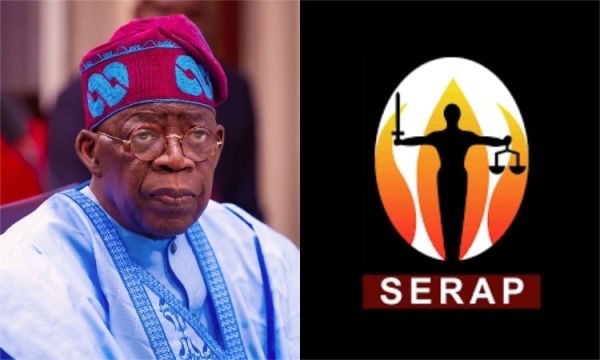
The Socio-Economic Rights and Accountability Project (SERAP) and the Nigerian Guild of Editors (NGE) have expressed deep concern over the Nigerian government’s weaponization of the Cybercrimes Act, which they claim is being used to suppress journalists, critics, and citizens who dare to speak out. On World Press Freedom Day, the groups held a press conference at the Radisson Hotel in Ikeja, Lagos, to condemn the routine abuse of the Act.
According to SERAP and NGE, the Cybercrimes Act has created a chilling environment for freedom of expression in Nigeria. Journalists, bloggers, human rights defenders, and opposition voices are increasingly being arrested, detained, and prosecuted under the guise of fighting cybercrime. This, they argue, proves constitutional rights are not a priority for those in power and that democracy cannot thrive where laws are manipulated to punish free speech.
The situation is alarming, with Nigeria dropping 10 spots to 122nd in the 2025 World Press Freedom Index, according to Reporters Without Borders (RSF). The 2023 and 2024 Freedom House Reports on Nigeria also note a decline in internet freedom of expression due to arbitrary arrests and detention of bloggers after the enactment and amendment of the Cybercrime Act in 2024.
SERAP and NGE are calling on President Bola Tinubu and his government to review the Cybercrime Act and other repressive laws, amend them in line with constitutional and international human rights standards, and uphold the human rights of every Nigerian and media freedom. They also demand that the Attorney General push for immediate legislative reforms and that the National Assembly revises all legislation restricting free speech and media freedom.
Key Demands:

- Review and Amendment of Cybercrime Act: Review the Act to prevent its abuse and ensure it aligns with constitutional and international human rights standards.
- Release of Detained Journalists: Unconditionally release all journalists, bloggers, and activists detained under the Act.
- Legislative Reforms: Push for immediate legislative reforms to bring laws into compliance with Nigeria’s constitutional and international obligations.
- Accountability: Hold Nigerian authorities accountable for upholding human rights and media freedom.
In a related development, the state of Nigerian prisons has raised concerns about the country’s ability to uphold human rights. Overcrowding, poor medical facilities, and poor nutrition are some of the major problems plaguing the Nigerian prison system. These conditions have led to increased violence, self-harm, and suicide among inmates.
Recommendations for Reform:
- Prison Reforms: Implement reforms to improve prison conditions, address overcrowding, and provide better medical facilities and nutrition for inmates.
- Judicial Reform: Ensure fair trials and address corruption in the judiciary.
- Protection of Human Rights: Protect human rights and ensure that laws are not used to suppress freedom of expression.
- Skill Acquisition and Vocational Training: Provide inmates with skill acquisition and vocational training to facilitate their rehabilitation and reintegration into society.
- Construction of More Prison Yards: Build more prison yards to tackle congestion and ensure redistribution exercises are carried out regularly.
- NGO Access: Allow NGOs and humanitarian agencies to regularly visit prisons and suggest ways to decongest and improve the prison system.
The Nigerian Correctional Service has made efforts to improve staff training and modernize prison facilities. However, more needs to be done to address the systemic problems plaguing the prison system. The international community must also play a role in holding Nigerian authorities accountable for upholding human rights and media freedom.
The Nigerian government must prioritize constitutional rights, ensure media freedom, and review the Cybercrime Act to prevent its abuse. The government should also implement prison reforms to improve conditions and protect human rights.
SERAP and NGE’s demands are crucial in promoting media freedom and human rights in Nigeria. The government’s response to these demands will determine the future of democracy and freedom of expression in the country.
As Nigeria moves forward, it is essential to consider the implications of the Cybercrimes Act on press freedom and democracy. The government’s actions will have a lasting impact on the country’s human rights record and its people.
The groups urge the international community to hold Nigerian authorities accountable for upholding human rights and media freedom. State governors and the Minister of the Federal Capital Territory are also called upon to halt arbitrary media shutdowns and ensure charges against media professionals are dropped without delay.
The situation in Nigeria highlights the need for continued advocacy and activism to promote human rights and media freedom. As the country navigates these challenges, it is crucial to prioritize constitutional rights and ensure that laws are not used to suppress freedom of expression.
In conclusion, the weaponization of the Cybercrimes Act poses a significant threat to press freedom and democracy in Nigeria. The government must take immediate action to review the Act, implement prison reforms, and protect human rights. The international community must also play a role in holding Nigerian authorities accountable for upholding human rights and media freedom.

...To get all news updates, Join our WhatsApp Group (Click Here)
Connect with us on Linkedin (Click Here)