

...To get all news updates, Join our WhatsApp Group (Click Here)
Connect with us on Linkedin (Click Here)
“In politics, he who pays the piper dictates the tune. But when the piper is unelected, the tune often leads the party off a cliff.” — Adapted from Christopher Okigbo
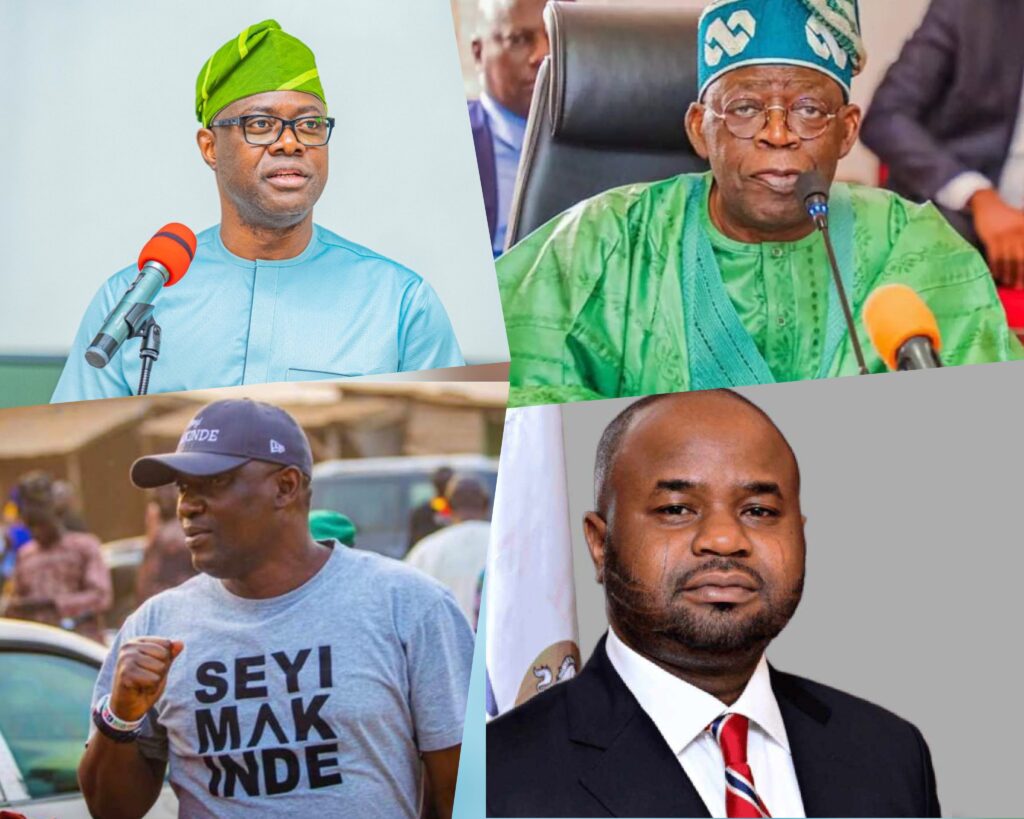
Power, in Oyo State, has never been cheap. From the UPN–NPN battles of 1983 to the garrison politics of 2007, the price of a ticket has often been measured in more than popularity. As the 2027 general elections approach, that old currency is resurfacing with a new face and an old fear, the “money bag” allegation. At the centre of the current whisper campaign is Otunba Seye Famojuro, a businessman and confidant of Oyo State Governor Engr. Oluseyi Abiodun Makinde FNSE, is an unelected but undeniably influential figure within the Oyo State Peoples Democratic Party. Political actors, governorship aspirants, and even senior leaders of the People’s Democratic Party are accusing him of operating an underground, hushed strategy room, and at ward meetings, of a pay-for-access system. According to these accusations, aspirants allegedly remit funds to secure his endorsement, believing it to be the gateway to Makinde’s eventual nod.
No petition has been filed. No receipt has surfaced. Famojuro has made no public declaration of interest in any elective office. Yet in politics, perception metastasises faster than proof. And in Oyo, perception has repeatedly decided elections. This report interrogates the allegation, places it within the historical pattern of godfather funding in Oyo and beyond, examines the consequences for PDP cohesion, and draws parallels with candidate-selection controversies currently dogging the All Progressives Congress, from Senator Bola Ahmed Tinubu’s presidency to the manoeuvres around figures like Zaach Adedeji, the FIRS chairman. The goal is not to convict but to contextualise, because when money speaks louder than merit, the masses always pay the final price.
The Allegation: ‘Access Fee’ Politics and the Seye Famojuro Question
Across Ibadan North, Ibarapa East, and Ogbomoso South, three categories of People’s Democratic Party actors now repeat a common refrain; “You cannot see Oga without settling the gate.” The “Oga” in reference is Seye Famojuro. The “gate” is the informal clearance believed to precede any serious governorship or legislative aspiration under the Seyi Makinde-led PDP. Multiple aspirants who spoke on condition of anonymity allege that financial contributions, ranging from “logistics support” to “structured funding” have become prerequisites for being introduced, defended, or projected within the governor’s inner circle.
To be clear, these remain allegations. No aspirant has publicly named Seye Famojuro, and the PDP State Working Committee has not received a formal complaint. Seye Famojuro himself has not responded to the claims, maintaining the same public silence that has defined his political style. But the danger in Oyo politics is that silence is read as strategy. When Chief Lamidi Adedibu was accused of running a similar “cash-and-carry” nomination system under the PDP between 2003 and 2010, the party denied it until the 2011 elections proved the electorate believed it. The PDP lost Oyo State for eight years.
The current accusation is therefore not just about one man. It is about a model. A model where an unelected ally becomes the de facto screening committee, and where the party’s statutory organs, ward, local government, and state executives, are reduced to rubber stamps. If true, it replicates the very system Governor Seyi Makinde campaigned against in 2019 when he promised to “return the party to the people.” If false, the mere persistence of the rumour signals a breakdown in internal communication that Governor Seyi Makinde and PDP stakeholders can no longer ignore.
Seyi Makinde’s Dilemma: Loyalty, Legacy, and the Liability of Proximity
Governor Seyi Makinde did not invent money politics, but 2027 will judge whether he tamed it. His administration has won praise for fiscal discipline, prompt salary payment, and infrastructure delivery. Yet every governor in Nigeria faces the same succession trap. The people who were most loyal in building the government often become the biggest liabilities in transitioning it.
Famojuro’s closeness to the governor is not in dispute. He is visible at state functions, present at strategy meetings, and acknowledged by commissioners as a key liaison. In political systems, proximity is power. The problem arises when proximity is monetised or perceived to be. For Governor Seyi Makinde, three consequences are immediate:
a. Moral Authority Erosion:
You cannot preach meritocracy while your inner circle is accused of auctioning access. The opposition APC is already collating these whispers as 2027 campaign material.
b. Delegate Distrust:
PDP delegates in Oyo still remember how the 2022 House of Assembly primaries were marred by allegations of “anointed lists.” A repeat, with money now attached, guarantees litigation and defections.
c. Successor Illegitimacy:
Any candidate who emerges through Seye Famojuro’s corridor will start the general election answering questions about how much the ticket costs, not what it stands for. In 2015, Alao-Akala’s Labour Party lost partly because voters believed his structure was “purchased.” Oyo voters have not forgotten.
Historical Parallels: When Money Bag Politics Burned the House
Oyo is not alone. The architecture of “disguise godfathers” and financial gatekeeping has collapsed parties across Nigeria:
a. Oyo State, 2003–2010 – The Adedibu Model:
Late Chief Lamidi Adedibu did not hold office after 1983, yet controlled PDP tickets. Aspirants allegedly funded “Amala politics” to stay in favour. The result? PDP won the elections but governed in factions. By 2011, the centre could not hold. The party lost the state to ACN’s late Senator Abiola Ajimobi.
b. Anambra State, 2003 – The Uba–Ngige Episode:
Chris Uba’s claim that Governor Chris Ngige signed post-dated resignation letters and paid for his ticket nearly ended the PDP’s hold on Anambra. The Supreme Court saved Ngige, but the party never recovered its dominance.
c. Lagos State, 2018 – The Ambode Primary:
While not cash-driven, the APC’s removal of a sitting governor via an indirect primary controlled by a single tendency showed how the perception of imposition demobilises the base. APC lost House of Reps seats in 2019 despite winning the governorship, a warning on delegate alienation.
The lesson is consistent, when tickets are seen as bought, not earned, the party pays at the ballot. The masses, for whom “politics works” only when it delivers roads, schools, and salaries, interpret money-bag politics as a tax on service delivery. They assume the winner will spend four years recouping investment.
APC Is Not Innocent: Tinubu, Zaach Adedeji, and the Abuja–Lagos Pipeline
To pretend this is a PDP disease alone is dishonest. The All Progressives Congress built its national structure on financial heavyweights and consensus-by-clearance. President Bola Tinubu’s emergence in 2023 followed a primary where aspirants stepped down after “consultations” with the party leader. The optics were not of a contest but a coronation. That model has cascaded to states.
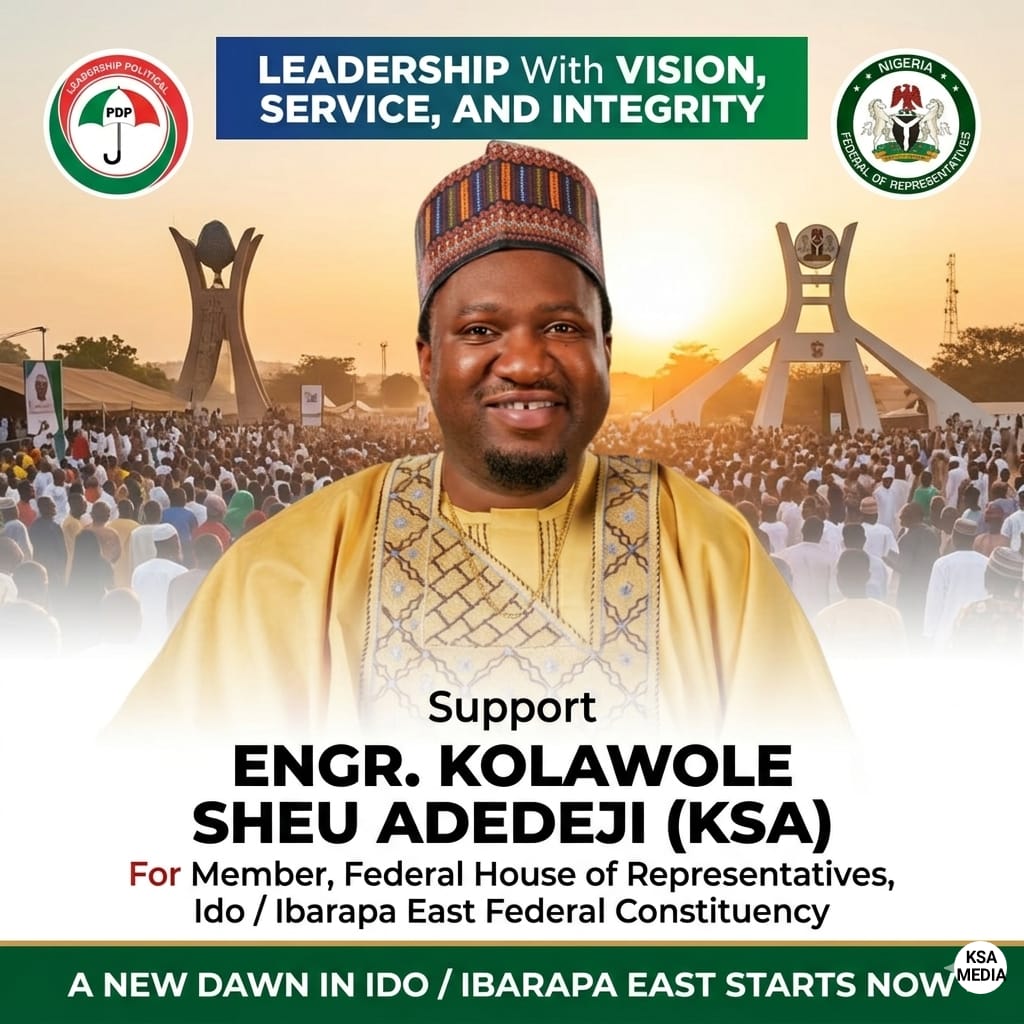
In Oyo APC, the name Zaach Adedeji, FIRS Chairman and former Finance Commissioner, surfaces in similar whispers. Party members allege that federal access and “Abuja funding” are being lined up to determine who gets what in 2027. Like Famojuro, Adedeji holds no state party office. Like Famojuro, he is close to power in this case, the Presidency. The APC critique writes itself if PDP is accused of selling tickets in Bodija/Ikolaba/Kolapo, APC is accused of auctioning them in Abuja/Lagos.
The consequence is identical. In Osun 2022, the APC lost because its primary was seen as a “family affair” that ignored grassroots leaders.
How This Actually Works Against the Masses
Let us strip the theory and speak plainly to the voter in Oja-Oba, Tapa, or Saki:
- Cost Recovery Governance: An aspirant who spends N500m to secure a ticket does not arrive in office to serve. He arrives to reimburse. Contracts get inflated, IGR is outsourced, and LG funds are delayed.
- Delegate Corruption: Ward delegates who collect money to vote in primaries cannot demand performance later. They have sold their oversight for a plate of rice.
- Youth Exclusion: A 35-year-old with ideas but no N50m cannot contest. The system recycles old money and old loyalties. “Not Too Young To Run” dies at the gate.
- Policy Distortion: When a financier picks the candidate, the manifesto is written to protect the financier, not the farmer. That is why rural roads wait while flyovers get priority.
This is how politics stops working for the masses. It becomes a transaction between elites, arbitrated by unelected middlemen, and billed to the public.
What Makinde, Famojuro, APC, and Tinubu Must Hear
To Governor Makinde:
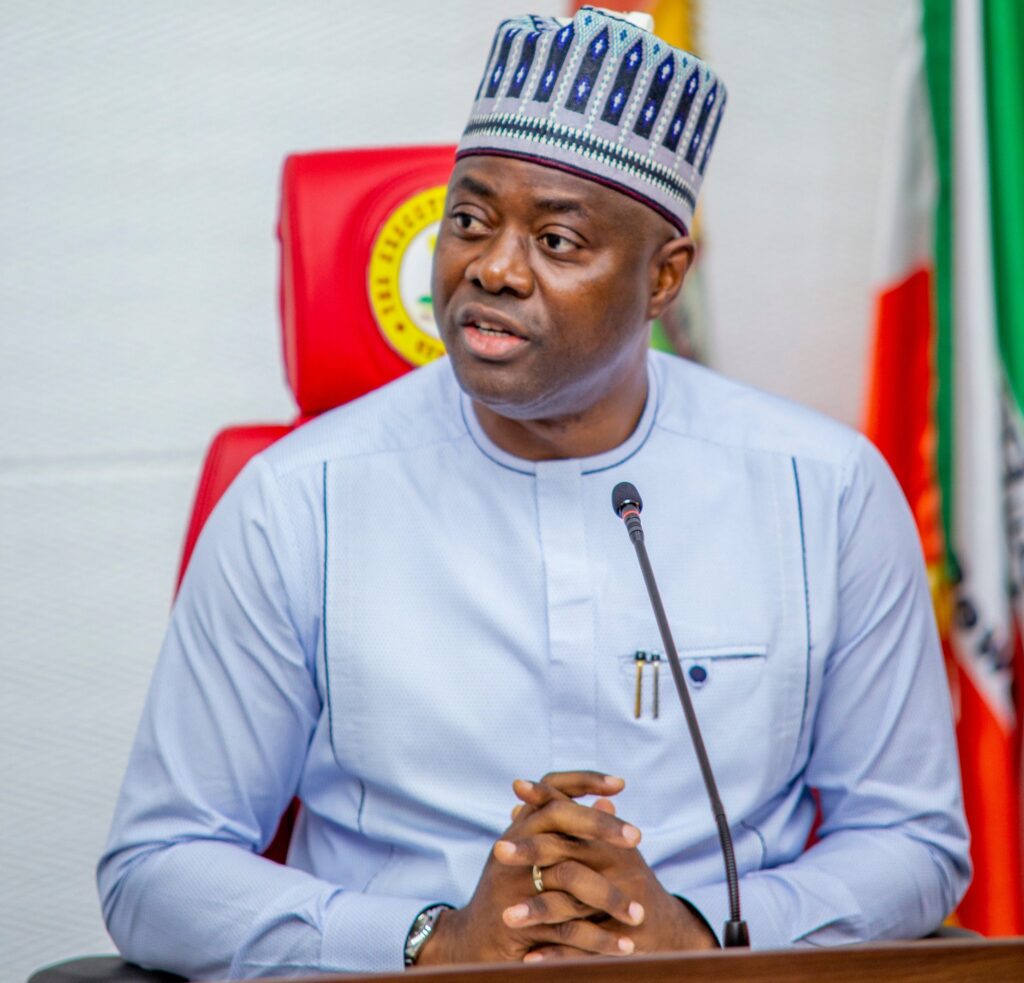
Your legacy will not be Adogba Bridge. It will be whether you broke the Adedibu cycle or rebranded it. Open the process. Publish the delegate list. Ban your allies from meeting aspirants without party officials present. If Famojuro is not collecting money, let him say so and let the party investigate the rumour. Silence is complicity in politics.
To Otunba Seye Famojuro:
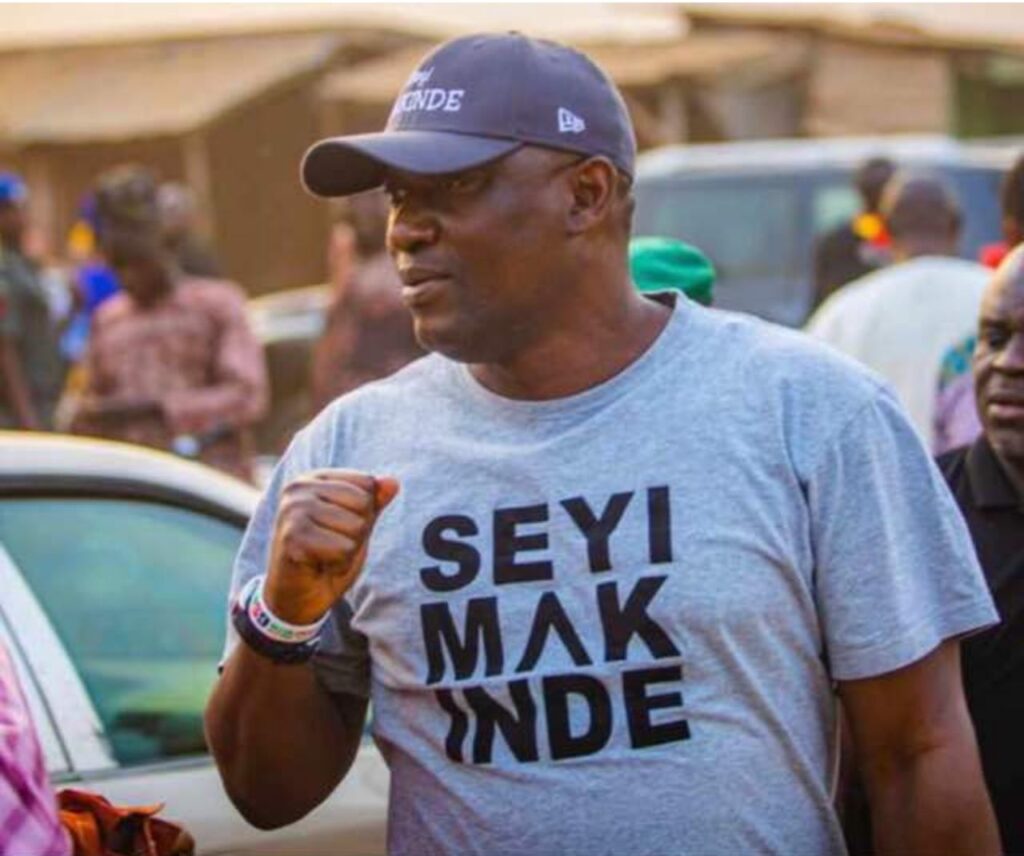
Influence is not illegal. But unregulated influence is lethal. If you are not running, recuse yourself from candidate meetings. If you are supporting, do it in the open with the party chairman beside you. The “disguise” model destroyed PDP in 2011. Do not resurrect it.
To APC, Tinubu, and Zaach Adedeji:
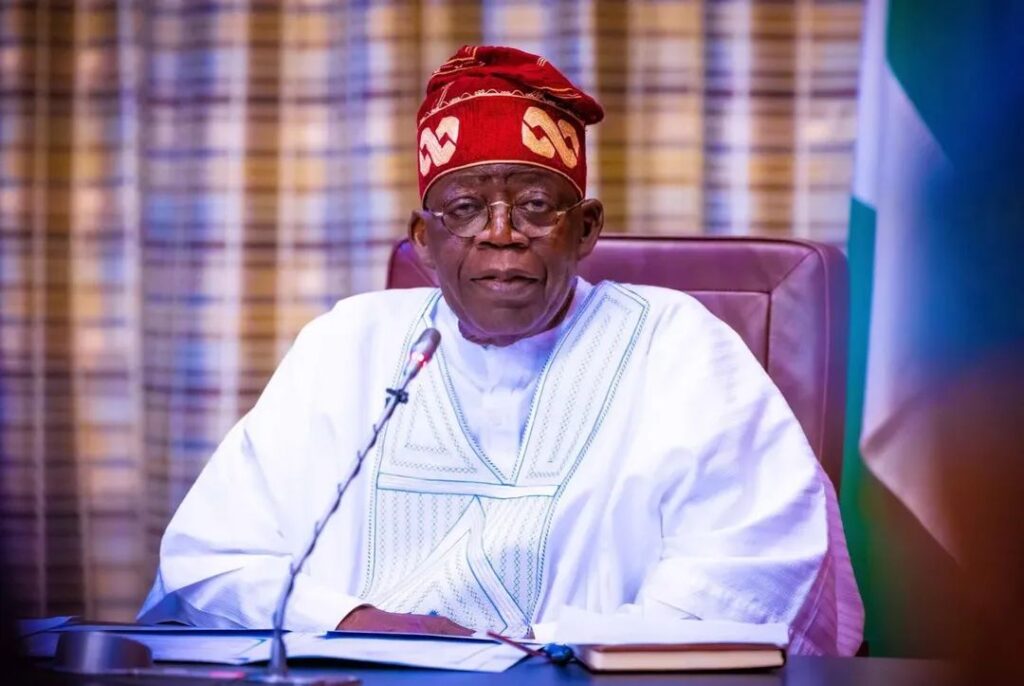
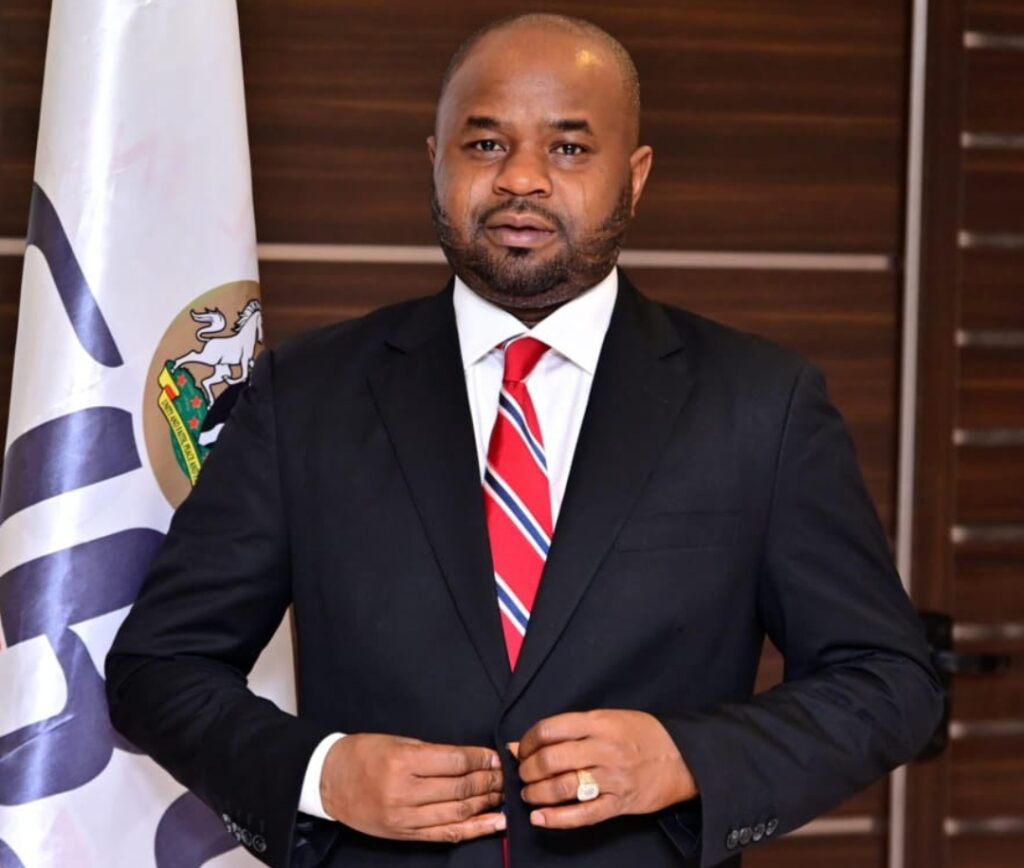
You cannot mock PDP’s Famojuro while running a Lagos–Abuja pipeline into Oyo. Oyo voters rejected “remote control” in 2019. They will do it again if your candidate is seen as Adedeji’s project or Tinubu’s errand boy. Let Oyo APC breathe. Conduct a direct primary. Publish the cost of forms and nothing else.
To PDP and APC Stakeholdersersersersersersers:
Stop selling your signatures. Every leader who collects “mobilisation” to endorse a candidate today loses the moral right to criticise him tomorrow. Your silence has a price, and the masses pay it.
The Way Out: Killing the ‘Disguise’ Before It Kills the Party
- Financial Disclosure for Godfathers:
Both PDP and APC should adopt a rule. Any individual who hosts more than 5 aspirants in a cycle must declare it to the state party and sign an anti-inducement form.
- Delegate Reform:
Open delegate congresses to live media coverage. Secret balloting dies in darkness.
- Cost Cap:
INEC limits campaign spend but not nomination spend. Parties should cap “consultation gifts” at N100,000 and ban cash entirely.
- Masses’ Veto:
Adopt a pre-primary town hall where all aspirants face the public before delegates vote. If you can’t face the market, you can’t take the ticket.
In Conclusion: 2027 Will Be Bought or Won — Oyo Must Choose
The accusations against Seye Famojuro may be false. The whispers around Zaach Adedeji may be envy. But in politics, a lie that is believed is more powerful than a truth that is ignored. Oyo State has been here before. In 1983, 2007, and 2011, the party that assumed the people were not watching was evicted by the people.
Money bag politics is dangerous not because it is immoral, but because it is inefficient. It produces candidates who owe men, not mandates. It produces governors who fear their sponsors more than their citizens. And it produces a democracy where the masses are spectators at their own auction.
Governor Seyi Makinde and President Bola Ahmed Tinubu now face the same test from opposite sides of the aisle. Will you hand your party to the people or to the person who paid for it? Your answer will be on the ballot in 2027. And Oyo, as always, will grade it without sentiment.
Note: This is a Special Investigative Report. All allegations referenced are as reported by party sources and remain unproven. Parties mentioned are advised to investigate internally and respond publicly.

...To get all news updates, Join our WhatsApp Group (Click Here)
Connect with us on Linkedin (Click Here)